お好み焼きの話——関西と広島、そしてパセミヤの一枚
お好み焼きは、わざわざ説明するような料理ではないかもしれません。家でも焼くし、近所に一軒は店がある。粉とキャベツと、好きな具。それで話は済んでしまいます。
けれど、その「済んでしまう」あたりに、この料理のおもしろさが隠れているようにも思います。あまりに身近で、あまりに自由なので、かえって一軒ごと、一枚ごとに違う。同じ「お好み焼き」という名前のもとで、これだけ違うものが共存している料理も、そう多くはありません。
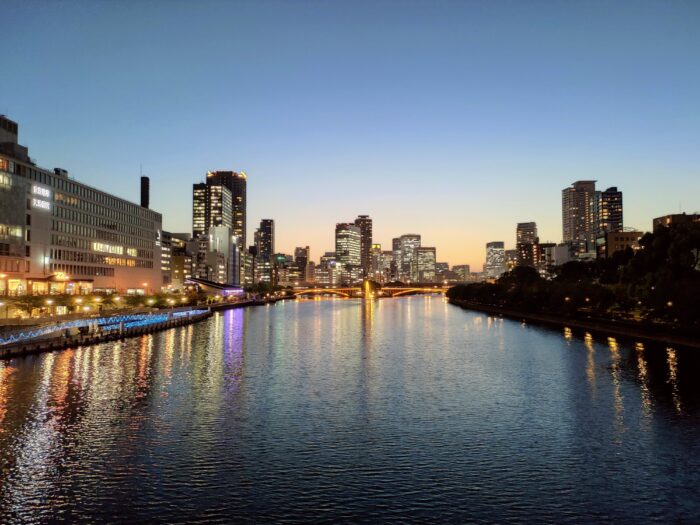
中之島でお好み焼きを焼いている三代目として、その「違い」のことを、少しだけ書いてみます。
お好み焼きとは
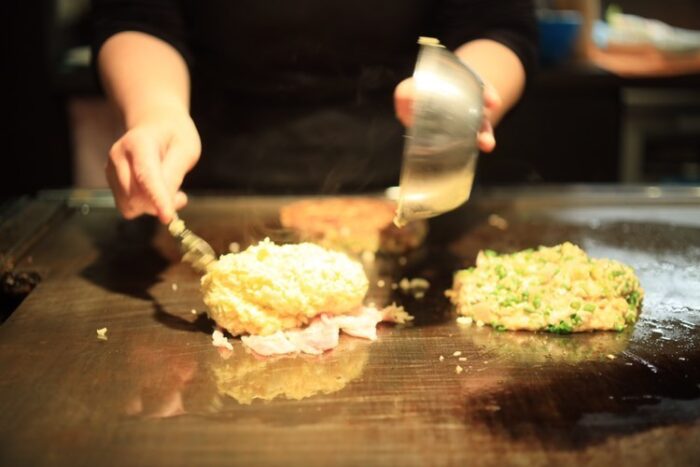
お好み焼きは、小麦粉の生地に、たっぷりのキャベツや好みの具材を合わせ、鉄板で焼き上げる料理です。仕上げには甘辛いソースを塗り、店や好みによって、マヨネーズ、青のり、かつお節などを添えます。
英語ではしばしば「Japanese savory pancake」と説明されます。大まかな形は伝わりますが、よく焼けた厚みのあるお好み焼きは、パンケーキというより、スペイン風オムレツやスフレに近いところもあります。キャベツの水分と甘みを含みながら、外側は香ばしく、内側はやわらかく焼き上がります。
名前の「お好み」は「好きなように」、「焼き」は「焼くこと」。豚、いか、えび、ねぎ、チーズ、餅など、何を入れるかは、焼く人と食べる人の好みにひらかれています。その自由さも、この料理が長く親しまれてきた理由のひとつでしょう。
食べることを愛する街
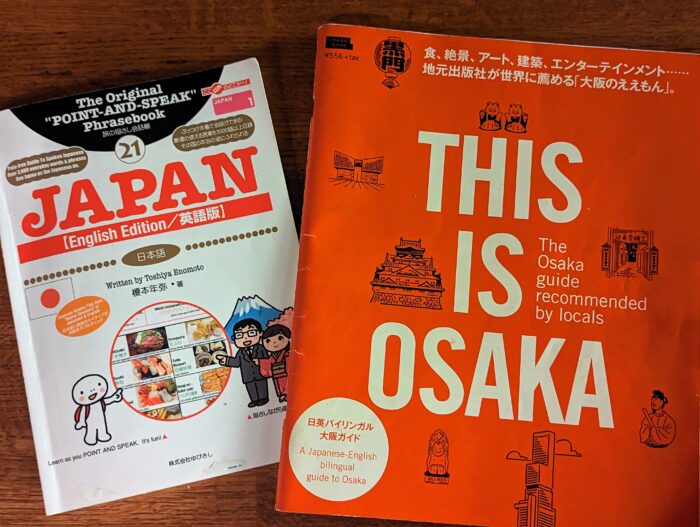
お好み焼きを知るには、その周りにある大阪という街のことを少し知ると、見え方が変わります。
江戸時代の大阪は「天下の台所」と呼ばれました。米や昆布をはじめ、日本各地から集まった品々が、商人たちの蔵を通って運ばれていたからです。船で大阪に届いた昆布は、いまも関西料理を特徴づける、やわらかく香りのよい出汁の文化を育てました。
大阪には「食い倒れ」という言葉もあります。食べることにお金を使いすぎて身を持ち崩す、という少し大げさな表現ですが、この街がどれほど食べることを大切にしてきたかをよく表しています。
そうした文化のなかから育ったもののひとつが、「粉もん」です。うどん、たこ焼き、お好み焼き。安価で、あたたかく、食べる人のすぐ近くでつくられる。格式ばった料理ではありませんが、だからといって手を抜く料理でもありません。
お好み焼きは、大阪の出汁の文化と鉄板の文化が、一枚の上で出会う料理だといえます。
関西と広島、それぞれの生い立ち
旅の方によく「本物はどちらですか」と聞かれます。関西か、広島か。正直なところ、答えは「どちらも、まるごと本物です」になります。
お好み焼きは、ひとつの単純な起源から生まれた料理ではありません。東京のもんじゃ焼き、京都や大阪の一銭洋食、戦後の関西や広島の食文化など、近代日本のさまざまな小麦粉料理を通りながら、それぞれの街で異なるかたちに育ってきました。
関西は、生地もキャベツも卵も具も、焼く前にひとつのボウルで混ぜます。混ざり合って、ひとつの体になる焼き方です。
広島は、薄くのばした生地の上に、キャベツともやし、豚、たいていは麺、そして卵を、層に重ねていきます。それぞれの素材が自分の輪郭を保ったまま、全体でひとつの建築のようになります。
このふたつは、どちらかがどちらかの変種というわけではない、と私たちは思っています。別々の街で、別々の理屈と、別々の常連とともに育った、それぞれの料理です。
どちらの街にも、何十年も同じ店に通う人と、初めて食べる旅の人が、隣り合って座っています。広島では、多くの地元の方にとって、あれは「広島焼き」ではなく「お好み焼き」です。百歩譲っても「広島風お好み焼き」。それも、街がその料理を自分のものとして育ててきたしるしのように感じます。
機会があれば、ぜひ両方を食べてみてください。
店の数だけ、答えがある
同じ街のなかでも、二軒として同じ味のお好み焼きはありません。生地の配合、後ろで効いている出汁、キャベツの刻みの細かさ、ソースの塩梅、鉄板の温度、返す間合い。どれも、その店が自分の歴史のなかで、ときに何代もかけて、たいていは書き残しもせずに決めてきたものです。
「正しいお好み焼き」というものは、たぶんありません。あるのは、おいしいお好み焼きが何千通りもある、ということだけです。そのひとつひとつに、焼いてきた人の時間が入っている。それぞれの店の答えに出会うことは、日本で食べることの、静かな楽しみのひとつだと思っています。
パセミヤの一枚
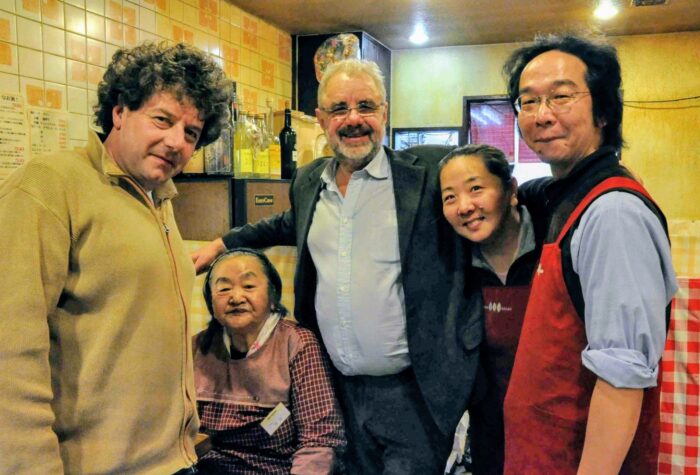
パセミヤは1965年に始まりました。二度の移転を経て、いまは中之島で、姉弟ふたりが三代目として、両親から受け継いだお好み焼きを焼いています。
うちのお好み焼きは、あえてシンプルです。生地は野菜の出汁で仕立て、ふつうより時間をかけて、ゆっくり焼きます。そうすると、キャベツが甘くなり、ひとつひとつの素材の味が立ってきます。
驚かせるための工夫は、何も入れていません。すべては、味わってもらうためにあります。
仕上げに使うのは、尼崎の木桶で仕込まれたワンダフルソースにお願いしてつくっていただいている、パセミヤ独自のブレンドです。両親から手渡された味を、今度は私たちが手渡していく番です。
パセミヤは、長いことワインとも近いところで過ごしてきました。いまはセラーを日本のナチュラルワインを中心に充てています。
これまでこのカウンターには、ワインを造る人、ワインとともに生きる人が、何人も座ってくれました。マルセル・ラピエール、ピエール・オヴェルノワ、フィリップ・パカレ、スタンコ・ラディコン、ロレンツォ・コリーノ。それに、日本や海外のシェフ、ソムリエ、レストランやワインバーの主人たち。
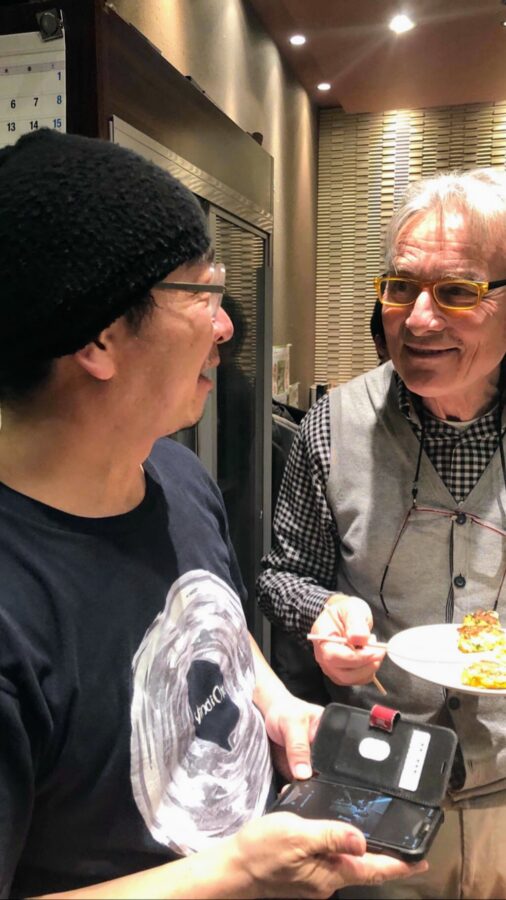
自慢として書いているのではありません。お好み焼きのような、気どらない一枚が、味を追い求めて生きてきた人たちの足を止めることがある——そのことに、私たちは励まされています。彼らは、近所の常連さんが座るのと同じ席に座って、同じお好み焼きを食べていきました。
鉄板の向こうへ
「お好み」の名のとおり、お好み焼きは、何を入れてもいいし、どう焼いてもいい料理です。だからこそ、焼く人と食べる人の数だけ、かたちを変えてきました。パセミヤの一枚も、その無数のかたちのひとつにすぎません。
もしお好み焼きが大阪へ足を運ぶきっかけになるなら、それが終点ではなく、入口になればうれしく思います。
日本の食は、驚くほど地方ごとに違います。東と西で出汁が変わり、土地ごとに醤油や味噌の色が変わり、麺が変わり、その土地からほとんど出ない料理がそれぞれにある。大阪は、その入口のひとつにすぎません。
そして、その大阪も、少しずつ姿を変えています。かつて「天下の台所」と呼ばれ、日本中のものが集まった街に、いまは世界中の人と料理が集まりつつある。「天下の台所」が、そのうち「世界の台所」になっていくとしたら、面白いなと思っています。
中之島の小さなカウンターで、日本のナチュラルワインのグラスを傾けながら、焼けるのをゆっくり待つ。その時間も含めて、お好み焼きだと思っています。よければ、隣に座りにきてください。
パセミヤ — 大阪・中之島(1965年創業)
お好み焼き、南インドのスパイス料理、日本のナチュラルワインを供する、予約制の小さなレストランです。
Instagram:@okonomi_pasania
note:note.com/pasania
Google Map:g.page/pasania
Okonomiyaki, As You Like It—A Few Words from Our Counter in Osaka
Hello, and welcome. My name is Yoshio Nakagawa. My sister and I run Pasania, a small restaurant in Nakanoshima, Osaka, as the third generation of our family.
More and more of our guests now visit from overseas, so we wanted to write a few words about okonomiyaki—what it is, how it differs from place to place, and how we make ours. We hope this reads less like a menu description and more like a short walk through Osaka’s food culture, taken at an unhurried pace.
If you are visiting Osaka and would like to try okonomiyaki with wine in a calm, unhurried setting, Pasania may be a good fit. We cook each one slowly, and we hope you enjoy the wait with a glass of Japanese wine.
What okonomiyaki is
Okonomiyaki is often translated as a “savory pancake,” and while that gives a rough picture, it sells the dish a little short.
A well-made okonomiyaki—thick, tender, and gently risen—may remind you as much of a Spanish omelette or a soufflé as of any pancake. At its heart, it is a dish of wheat-flour batter, usually seasoned with dashi, combined with a generous amount of cabbage and other ingredients, then cooked patiently on a teppan, a flat iron griddle.
It is finished with a sweet-savory sauce, and often with mayonnaise, aonori, and katsuobushi that sway in the rising heat.
The name itself is an invitation. Okonomi means “as you like,” and yaki means “grilled.” Pork, squid, shrimp, green onion, cheese, mochi—the dish has always been open to whatever the cook and the eater fancy.
That openness, we think, is part of why it became such a beloved everyday food across Japan in the twentieth century, and why it remains one today.
A city that loves to eat
To understand okonomiyaki, it helps to know a little about the city around it.
In the Edo period, Osaka was called tenka no daidokoro—“the nation’s kitchen”—because rice, kombu, and goods from all over Japan passed through its merchants’ warehouses.
The kombu that arrived here by ship helped shape the gentle, fragrant dashi that still defines Kansai cooking. Osakans also speak, half-jokingly, of kuidaore: to eat oneself into ruin. It is an exaggeration, of course, but it tells you where the city’s heart has always been.
Out of this culture grew what locals call konamon—“flour things”: udon, takoyaki, and okonomiyaki among them. Inexpensive, warm, and cooked close to the eater, konamon is food without ceremony, but never without care.
Okonomiyaki sits at the centre of it—a dish where Osaka’s dashi culture and its griddle culture meet on one iron plate.
And the city has kept growing. Where goods from all over Japan once gathered, people and cuisines from all over the world now do. Once tenka no daidokoro, Osaka is quietly becoming a kitchen of the world.
Kansai and Hiroshima: two ways of building one dish
Travellers often ask which okonomiyaki is the “real” one—the Kansai style or the Hiroshima style. The honest answer is: both, fully.
Okonomiyaki did not appear from a single, simple origin. Its history runs through several flour-based foods of modern Japan, including monjayaki in Tokyo, issen-yoshoku in Kyoto and Osaka, and the postwar food cultures of Kansai and Hiroshima.
Over time, each city shaped the dish in its own way. Kansai made it into a soft, mixed batter cooked as one body; Hiroshima layered it with cabbage, noodles, and structure.
In the Kansai style, found in Osaka and the surrounding region, everything is mixed before it meets the griddle. Cabbage, batter, egg, and fillings are folded together in a bowl, then poured and shaped as one round. The result is a soft, unified body in which the ingredients melt into one another.
In the Hiroshima style, the elements are layered rather than mixed: a thin crepe of batter, then a mountain of cabbage and bean sprouts, pork, usually noodles, and an egg, all stacked and pressed on the griddle with remarkable skill. Each layer keeps its own character, and together they form something almost architectural.
Neither style is a variation of the other. Each grew up in its own city, with its own logic and its own loyal regulars.
In both Osaka and Hiroshima, you will find counters filled with locals who have eaten at the same restaurant for decades, sitting beside travellers tasting okonomiyaki for the first time—and both leaving happy.
In many okonomiyaki restaurants, the griddle is built into the counter or the table itself, so the dish is cooked, finished, and eaten in the same warm place. If your travels allow, we sincerely encourage you to try both styles.
Every restaurant has its own answer
Even within a single city, no two okonomiyaki restaurants taste quite the same.
The ratio of the batter, the dashi behind it, how finely the cabbage is cut, the blend of the sauce, the heat of the griddle, and the timing of the flip—each restaurant has refined these choices over its own history, often across generations of one family, and often without writing any of it down.
There is no single “correct” okonomiyaki; there are thousands of good ones, each carrying the story of the people who make it. Meeting each restaurant’s particular answer is, to us, one of the quiet pleasures of eating in Japan.
How we make ours at Pasania
Pasania opened in 1965, and the two of us are the third generation to stand at its griddle, cooking the okonomiyaki we inherited from our parents.
Ours is, by design, a simple one. We build the batter on a vegetable dashi, and we cook each okonomiyaki slowly, taking more time than is usual, so that the cabbage turns sweet and the flavour of each ingredient comes through clearly.
Nothing is there to impress; everything is there to taste.
We finish it with our own blend of Wonderful Sauce, brewed for us in kioke—the large traditional wooden barrels long used in Japanese fermentation. It is the taste our parents handed to us, and the one we hope to hand on in turn.
Pasania has also long kept close company with wine. Today, our cellar is devoted to Japanese natural wine.
Over the years, our counter has had the honour of welcoming people who make wine or live by it: winemakers such as Marcel Lapierre, Pierre Overnoy, Philippe Pacalet, Stanko Radikon, and Lorenzo Corino, as well as chefs, sommeliers, and the owners of restaurants and wine bars from Japan and abroad.
We take heart from this—not as a boast, but as a reminder that a dish as unassuming as okonomiyaki can hold the attention of people who have spent their lives in pursuit of taste. They sat where our neighbourhood regulars sit, and ate the same okonomiyaki.
Beyond the griddle
As the name okonomi suggests, okonomiyaki is a dish open to what people like—to different ingredients, different methods, and different answers. That is why it has changed shape according to the people who cook and eat it. Our own okonomiyaki is only one of its countless forms.
If okonomiyaki brings you to Osaka, we hope it will be a doorway rather than a destination.
Japanese food culture is profoundly regional: the dashi changes between east and west, soy sauce and miso change colour as you travel, noodles change, and every region keeps dishes that rarely cross its borders. Osaka is as good a place to begin as any—but it is only a beginning.
Osaka itself is changing, too. Where goods from all over Japan once gathered in the city known as “the nation’s kitchen,” people and cuisines from all over the world now meet. We like to imagine that one day the nation’s kitchen may become a kitchen of the world.
At our small counter in Nakanoshima, you can wait for your okonomiyaki to cook slowly while drinking a glass of Japanese natural wine. We think that waiting is part of the dish. We would be glad to have you sit beside us.
Pasania — Nakanoshima, Osaka (est. 1965)
A small, reservation-only restaurant serving okonomiyaki, South Indian-inspired spice dishes, and Japanese natural wine.
Instagram: @okonomi_pasania
Essays: note.com/pasania
Google Map: g.page/pasania