
なぜ、日本ワインを注ぐのか
ワインセレクトの変化——ナチュラルワインから日本ワインへ
2024年、私たちは静かにひとつの決断をしました。中之島にある小さな店のセレクトを、日本のナチュラルワインを中心に組み直すことにしたのです。
パセミヤはワインバーではありません。1965年から三代続く、お好み焼きと南インド料理の店です。ワインはいつもカウンターやテーブルの上に、食事の一部として提供してきました。料理の上に立つものではなく、料理の傍らに。このページは、なぜ日本ワインを選んだのか、そしてここでどんなふうに飲んでいただけたらと思っているのか、その話です。
長いあいだ、パセミヤのセラーはナチュラルワインと、それを造る人たちのすぐ近くにありました。私たちが敬意を抱いてきた造り手が、このカウンターやあのテーブルに座ってお好み焼きを食べていく。そんなことが何度もありました。彼らから受け取ったのは、ひとつのスタイルというより、ひとつの態度です。一本のボトルの背後にある、生きた関係性へのまなざし。
2024年、そのまなざしを、足もとの日本へ向け直しました。いま注いでいる日本の造り手の多くは、近い精神で仕事をしています。丁寧な畑仕事、天然酵母による発酵、醸造所では手をかけすぎないこと。注いでいるボトルの多くはナチュラル、あるいは低介入の日本ワインですが、カテゴリーだけで選んでいるわけではありません。ラベルではなく、味と信頼で選んでいます。
日本ワインを初めて飲んでみたい方にも、腰を据えてゆっくり楽しみたい方にも。パセミヤのワインが、その入口になればと思っています。
「日本ワイン」という言葉について
この言葉には、少しだけ正確さが必要です。よく似た二つの言葉が、日本では別のものを指すからです。
2018年に適用が始まった表示基準では、「日本ワイン」とは、日本国内で育てられたぶどうだけを原料に、日本国内で造られたワインを指します。一方の「国内製造ワイン」には、輸入したぶどうや濃縮果汁から国内で造られたものも含まれます。
パセミヤの中心にあるのは、前者です。日本のどこかの畑で、日本の気候のなかで始まり、多くの場合、店から電車や飛行機で——あるいは少し足を延ばせば届く身近な距離の——同じ時代を生きる誰かの手から生まれたワインです。
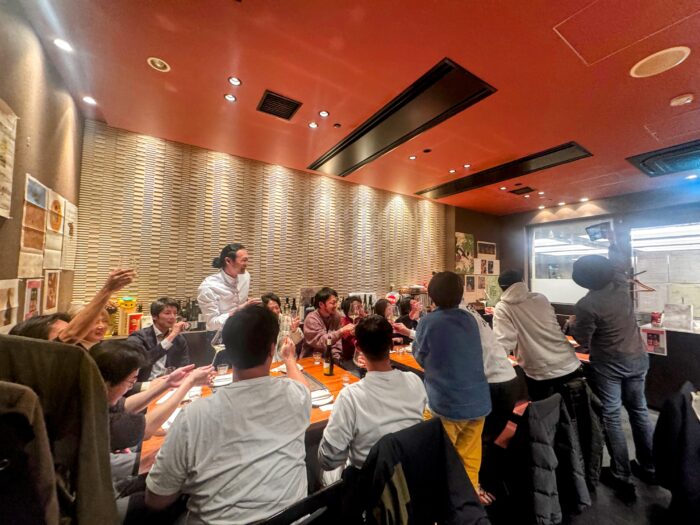
もうひとつのものさし
もしあなたがヨーロッパのワインを愛しているなら、ひと晩だけ、そのものさしをそっと脇に置いてみてください。
輸入ワインの多くと比べると、日本ワインはおおむね、軽やかで、抽出はおだやか、果実は控えめで、全体の音量が静かです。並べて飲むと、音量の違いを質の違いと取り違えてしまいやすい。けれど、音の大きさと音楽そのものは別のものですし、円の完璧さは、その大きさとは関係がありません。
豊かなものには豊かなものの、繊細なものには繊細なものの喜びがあります。はっきりした個性を持つワインは美しい。こちらから耳を澄ませ、声を聞きにいくようなワインも、また美しい。
だから、最初のものさしの隣に、もうひとつのものさしを並べてみてほしいのです。プラムやチェリーの隣に、梅や柿を。バジルの隣に、しそを。洋梨の隣に、和梨を。何かの控えめな代用としてではなく、それ自体として出会ったとき、日本ワインはすっと像を結びます。
私たちは日本を、ボトルに立てた国旗のようには考えていません。世界のワインの地図のうえにある、ひとつの場所。そう捉えています。国を背負った看板としてではなく、世界にひらかれ、並んだ一点として。
北から南へ——よく注ぐ産地のこと
日本は長い国で、北と南では季節すら分かち合っていません。だから「日本ワイン」は、けっしてひとつの顔をしていません。
北海道は、梅雨をほとんど免れる土地です。ケルナーやピノ・ノワールは、ぴんと張った冷たい音色を持ち、その酸に思わず背筋が伸びます。
長野は、中央の山あいの高地です。標高と乾いた空気のもとで、日本でもっとも静かで、よく組み立てられたカベルネ・フランやピノ・ノワール、シャルドネなどが生まれます。
山形は、北の果樹の盆地です。明るく人なつこい魅力のワインが多く、古くから愛されてきたデラウェアは、熱い鉄板のいちばん幸せな連れ合いのひとつになります。
そして山梨は、日本のぶどう栽培の歴史の中心です。何世紀ものあいだこの地で育てられてきた、淡い色の皮を持つ甲州の故郷。よくできた甲州は、ひかえめで、ふちにかすかな苦味があり、静かに長く続きます。
これらは素描であって、規則ではありません。どの畑にも——どの店にも——それぞれの答えがあります。
南インドのスパイスと、なぜ寄り添うのか
パセミヤのスパイス料理の半分は、南インド・タミル・ナードゥのレシピに根を持っています。
スパイス料理が参照しているのは、この地方の古い料理——サンバル、コランブ、ポリヤル、アチャール——です。出汁ではなく、油とマスタードシード、クミン、フェンネル、タマリンド、豆、野菜、そして文法のように積み重ねられたスパイスの上に組み立てられた料理。重さよりも、酸と香りの料理です。そしてそれは、日本ワインが心地よくいられる場所と、不思議とぴたりと重なります。
カウンターで学んだことを、少しだけ。カプサイシンとアルコールは互いを尖らせ合うので、提供温度を工夫し、若干低めの温度で提供しています。そしてアルコールの低いワインは、唐辛子を荒々しくせず、よき同伴者にしてくれます。タンニンと苦味も互いを増幅し合うので、タンニンの強い赤は、ターメリックからは少し離しておきます。わずかな残糖——オフドライの白、オレンジワイン、ロゼ——は、辛さのやさしい味方になります。
もちろん、これは公式ではありません。スパイスとワインは、あまりにも多くの次元で出会うので、公式になどなりようがない。けれど日本ワインは、軽やかで香り高いぶん、思いのほか進んで相手をしてくれるのです。
お好み焼きと、なぜ寄り添うのか
厨房のもう半分は、お好み焼きです。
パセミヤのお好み焼きは、野菜の出汁を効かせた生地とキャベツを目の前で直前に混ぜ、時間をかけてゆっくり焼き、木桶で仕込んだワンダフルソースで仕上げます。1965年から三代受け継いできた味です。出汁はうま味。ソースは甘くて香ばしい。一枚のお好み焼きは、あたたかく、おおらかで、急がない料理です。
日本ワインは、そのどの要素とも向かい合うのではなく、同じ側に立ってくれます。野菜のうま味の傍らに甲州のうま味を。ソースの穏やかなベリーの果実味の傍らにマスカット・ベーリーAを。ひと口とひと口のあいだに口をリフレッシュしてくれる酸と、カウンターでゆっくり食べる夜に似合う、ほどよいアルコール。
お好み焼きは、ふだんの食べ物です。日本ワインもまた、最良のものは、いちばんよい意味での「ふだんのワイン」だと思っています。他方で、静かに、シリアスに向き合いたくなる日本ワインにも出会えます。
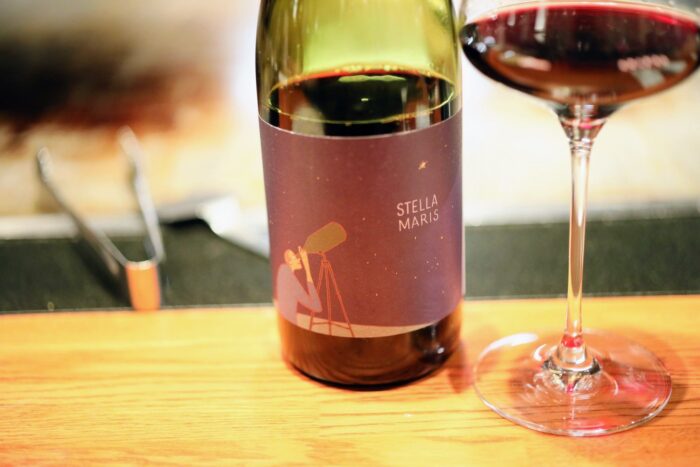
勉強の対象ではなく、食卓の一部
正直に言うと、私たちはこの話が好きで、訊かれると止まらなくなるかもしれません。でも、こうしたことを何も知らなくて、まったくかまわないのです。
パセミヤにおいて、日本ワインは勉強の対象ではありません。それは食卓の一部です。友だちの家でワインがそうであるように。
グラスでお出ししています。たいていは微発泡のペティアンが一本、白とオレンジワインが数種、赤が数種——シャルドネやピノ・ノワールもありますが、おそらく聞いたことのない品種もそのなかにいます。
一皿ごとに「正解」のペアリングを決めてしまうのではなく、いくつかの可能性をひらいたまま、今夜どんなふうに食べたい気分か、一緒にその晩の答えを見つけていけたらと考えています。
料理と、ワインと、それを飲む人。三つの声がひとつの会話になり、そこから立ちのぼるものは、毎回少しずつ違います。その一回かぎりの手触りとかけがえのなさこそが、私たちにとって、この仕事のいちばんの喜びです。
長く続けるうちに、テロワールを「ボトルを通して場所が語ること」とは考えなくなりました。むしろ、長い会話だと思っています。人と、ぶどうの木と、微生物と、天気とのあいだの、長い会話。
大阪で、お好み焼きやスパイスの皿の傍らで日本ワインを飲むとき、その会話に、お客様もひと晩だけ加わることになります。
私たちが願っているのは、それだけです。ワインが、料理と同じように、どこかへ行ってきたという感触を——そしてもう少し遠くまで旅してみたいという気持ちを——残してくれること。
パセミヤのスパイスとワインの組み合わせが気になる方は、こちらもどうぞ。
→ 「なぜスパイスとワインなのか」を読む
お好み焼きについてはこちらもどうぞ。
→ 「お好み焼きとは?」を読む
パセミヤ — 大阪・中之島(1965年創業)
お好み焼き、南インドのスパイス料理、日本ワインを供する、予約制の小さなレストランです。
Instagram:@okonomi_pasania
note:note.com/pasania
Google Map:g.page/pasania
Why We Pour Japanese Wine
Notes from Our Cellar in Nakanoshima
In 2024, we made a quiet decision: the cellar of our small restaurant in Nakanoshima, Osaka, would center on Japanese wine.
Pasania is more than a wine bar: we are a third-generation family restaurant serving Japanese wine alongside okonomiyaki and South Indian-inspired spice dishes. Wine has always sat on our counter as part of a meal, never above it. This page is about why we chose Japanese wine, and how we hope you will drink it here.
For many years, our cellar kept close company with natural wine and with some of the people who make it. Winemakers we admired sat at this very counter and ate okonomiyaki. What we took from them was not a style, but an attitude: attention to the living relationships behind a bottle.
In 2024, we turned that attention homeward. Many of the Japanese growers we pour work in a similar spirit—careful farming, wild fermentation, and a light hand in the cellar. Many of the bottles we pour are natural or low-intervention Japanese wines, but we do not choose them because of a category alone. We choose bottles by taste and trust, never by label.
Whether you are exploring Japanese wine for the first time or looking for a place in Osaka to drink it seriously, this is where our selection begins.
“Japanese wine,” precisely
The phrase deserves a little precision, because two similar terms mean different things in Japan.
Under a labeling standard applied since 2018, “Japanese wine” (nihon wine) refers to wine made in Japan from grapes grown in Japan. “Domestically produced wine,” by contrast, may include wine made in Japan from imported grapes, imported wine, or concentrated grape must.
At the heart of our cellar is the former: wine that begins in a Japanese vineyard, in Japanese weather, often in the hands of someone only a train ride—or a few hours farther—from our door.
A different yardstick
If you already love the wines of Europe, we would gently suggest setting that frame aside for an evening.
Compared with many imported wines, Japanese wine often tends to be lighter in body, gentler in extraction, more restrained in fruit, and quieter in overall volume. Tasted side by side, it is easy to mistake a difference in volume for a difference in quality. But loudness and music are not the same thing, and the perfection of a circle has nothing to do with its size.
There is pleasure in the full-bodied, and there is pleasure in the delicate. A wine with obvious character can be beautiful; so can a wine that asks you to lean in.
So we invite you to hold a second yardstick alongside the first. Beside plum and cherry, make room for ume and persimmon; beside basil, shiso; beside pear, Japanese pear. Met on its own terms rather than as a quiet version of something else, Japanese wine comes quickly into focus.
We think of Japan not as a national banner planted in a bottle, but simply as one more place on the map of the world’s wine—a cosmopolitan address, not a patriotic one.
North to south: a few regions we pour
Japan is long, and its north and south barely share a season, so “Japanese wine” is never one thing.
Hokkaido, in the far north, largely escapes the rainy season. Its Kerner and Pinot Noir can be taut and cool-toned, with an acidity that makes you sit up.
Nagano, high in the central mountains, has altitude and dry air, and gives some of the calmest, best-built Cabernet Franc, Pinot Noir, and Chardonnay in the country.
Yamagata, a northern fruit basin, offers wines of bright and friendly charm. Its long-loved Delaware can be one of the happiest companions to a hot griddle.
And Yamanashi, the historical heart of Japanese viticulture, is home to Koshu, a pale pink-skinned grape grown here for centuries. At its best, Koshu is subtle, faintly bitter at the edge, and quietly persistent.
These are sketches, not rules. Every vineyard, like every okonomiyaki restaurant, has its own answer.
Why it sits so well with South Indian spice
Half of our kitchen is rooted in Tamil Nadu.
Our spice dishes look to the older cooking of the region—sambar, kuzhambu, poriyal, and achar—built not on dashi, but on oil, mustard seeds, cumin, fennel, tamarind, lentils, vegetables, and a sequence of spices laid down almost like grammar. It is a cuisine of acidity and aroma more than of weight, and that is exactly where Japanese wine often lives.
A few things we have learned at the counter: capsaicin and alcohol sharpen each other, so we pay close attention to serving temperature, while lower-alcohol wines keep chili companionable rather than fierce. Tannin and bitterness amplify each other, so we tend to keep strongly tannic reds away from turmeric. A touch of residual sugar—an off-dry white, an orange wine, or a rosé—can be a kind friend to heat.
None of this is a formula. Spice and wine meet in too many dimensions for that. But Japanese wine, light-footed and aromatic, turns out to be an unusually willing partner.
Why it sits so well with okonomiyaki
The other half of our kitchen is okonomiyaki.
We mix the cabbage with a batter made with vegetable dashi just before cooking, then cook it slowly and finish it with our kioke-brewed Wonderful Sauce. It is a taste our family has carried through three generations since 1965. Dashi brings umami. The sauce is sweet and savory. The whole dish is warm, generous, and unhurried.
Japanese wine meets each of these elements on its own terms rather than standing across from them: the savory depth of Koshu beside vegetable dashi, the gentle berry fruit of Muscat Bailey A beside the sauce, acidity to refresh the palate between bites, and moderate alcohol to suit a meal eaten slowly at a counter.
Okonomiyaki is everyday food, and Japanese wine, at its best, is everyday wine in the most honorable sense. At other times, it can also be something quiet and serious, asking for our full attention.
Not a subject to study—part of the table
We will be honest: we love talking about this, and if you ask, we may not stop. But you do not need to know any of it.
At Pasania, Japanese wine is not a subject to study. It is part of the table, the way wine is at a friend’s house.
We pour by the glass—usually a pétillant, several whites and orange wines, and several reds. Chardonnay and Pinot Noir are often among them, alongside varieties you may never have encountered before.
Rather than declaring one “correct” match for each plate, we keep a small range of possibilities open and find the evening together with you, asking how you feel like eating tonight.
The food, the wine, and the person drinking it are three voices in one conversation, and what rises from it is a little different every time. That one-time-only quality is, for us, the whole pleasure of the work.
Over the years, we have come to think of terroir not as a place speaking through a bottle, but as a long conversation—among people, vines, microbes, and weather.
When you drink Japanese wine here in Osaka, beside okonomiyaki or a plate of spice, you join that conversation for an evening.
That is all we hope for: that the wine, like the food, leaves you with the feeling of having been somewhere—and the wish to travel further.
Curious why we pair these wines with spices?
→ Read: Why Spice with Wine?
Curious about our okonomiyaki?
→ Read: What Is Okonomiyaki?
Pasania — Nakanoshima, Osaka (est. 1965)
A small, reservation-only restaurant serving okonomiyaki, South Indian-inspired spice dishes, and Japanese wine.
Instagram: @okonomi_pasania
Essays: note.com/pasania
Google Map: g.page/pasania